
The Thrill of Risk and Reward
The allure of casino gambling often hinges on the psychology of risk and reward. Players are drawn to the thrill of potentially winning large sums of money, which triggers dopamine release in the brain, creating feelings of pleasure and excitement. This biochemical response can lead to repeated gambling behavior, as individuals chase the euphoric highs associated with wins, often overlooking the significant losses that can accompany their experiences. Moreover, some search for options like casino not on gamstop to engage with gambling in a way that fits their preferences.
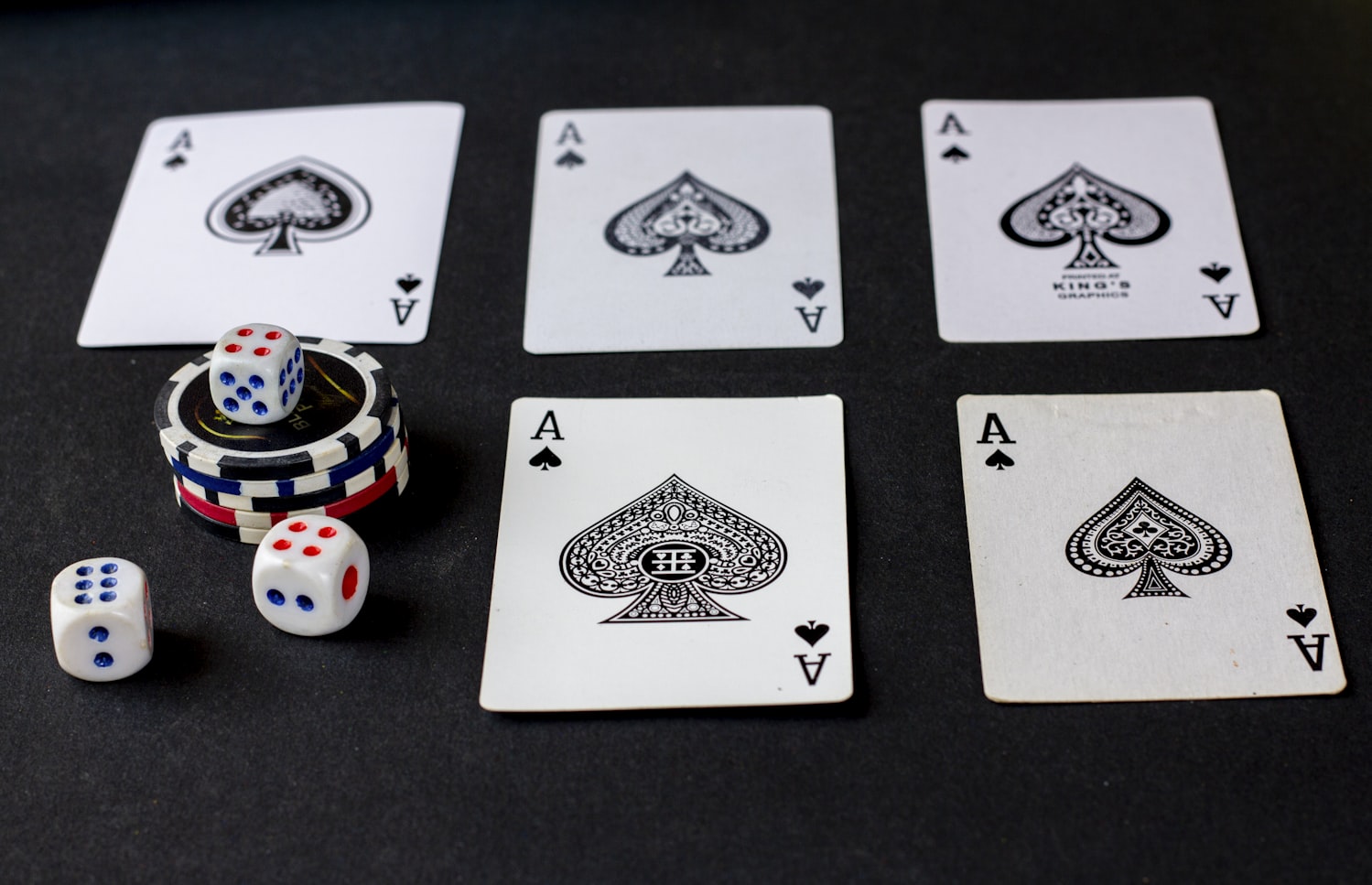
Additionally, the anticipation of a win or the rush experienced when playing can create a cycle of excitement that reinforces the gambling habit. This thrill-seeking behavior becomes embedded in the individual’s psyche, making it difficult to resist the temptation of gambling even when they are aware of the risks involved.
Cognitive Biases in Gambling
Cognitive biases play a major role in how individuals perceive their chances in a casino setting. The gambler’s fallacy, for instance, is a common misconception where players believe that past events influence future outcomes, leading them to make irrational decisions based on flawed logic. For example, if a roulette wheel has landed on red several times in a row, a gambler might assume that black is now ‘due’, influencing their betting choices.
Additionally, confirmation bias can lead players to focus on their wins while discounting their losses, reinforcing their perception that they have a better chance of winning than they actually do. These cognitive distortions can create a skewed view of reality, making it difficult for gamblers to make informed decisions and leading to increased risk-taking behaviors.
The Role of Emotions in Gambling Choices
Emotions significantly impact gambling decisions, affecting both the enjoyment of the experience and the likelihood of continuing to gamble. Stress, anxiety, and excitement are common emotional states experienced by gamblers. Such emotions can cloud judgment, often pushing individuals to make impulsive decisions that they might not consider when in a more relaxed state.
Moreover, emotional states can serve as triggers for gambling behavior. Individuals may gamble to escape negative emotions or enhance positive feelings, creating an association between gambling and emotional relief. This emotional rollercoaster can lead to compulsive gambling behaviors, as players seek to replicate the highs while avoiding the lows.
The Influence of Environment and Social Factors
The environment of a casino is meticulously designed to influence player decisions. From the layout of slot machines to the sounds of cheering and applause, casinos create an immersive experience that encourages prolonged play. This carefully crafted atmosphere can lead to overstimulation, making it difficult for individuals to leave or resist further gambling.
Social factors also play a crucial role in gambling behavior. Group dynamics can encourage individuals to gamble more, as they may feel pressured to engage in risky behavior to fit in or seek social approval. Additionally, the presence of other gamblers can create a sense of community, further enhancing the experience and often leading to more significant financial risks than individuals might take on their own.

Understanding Responsible Gambling and Safety Measures
As the popularity of casinos continues to rise, understanding responsible gambling practices becomes increasingly important. It is crucial for players to recognize their limits and the potential risks involved in gambling. Creating a budget and sticking to it, as well as setting time limits, can help mitigate the adverse impacts of gambling behavior.
Casinos and gaming establishments are also taking steps to promote safer gambling environments. Initiatives that provide resources and support for individuals struggling with gambling-related issues are becoming increasingly prevalent. These measures not only help protect players but also reinforce a casino’s commitment to safety and responsibility in gambling, fostering a more secure and enjoyable experience for all visitors.